




DORA vs NIS2: Key differences and how to manage the overlap
 19 October 2026
DORA and NIS2 are two of the European Union’s most important regulatory frameworks for managing digital risk. Both require organisations to manage cyber risks systematically, report incidents, and strengthen management accountability. However, they differ significantly in scope and regulatory focus.
Organisations must therefore begin by determining which requirements apply to each legal entity and activity. Within the same corporate group, for example, one entity may be subject to DORA while another falls under NIS2. Because the two frameworks address some of the same topics, organisations should assess which existing processes and controls can support both and where separate approaches are required. A blanket “DORA or NIS2” classification is rarely sufficient.
DORA and NIS2 explained
The Digital Operational Resilience Act, or DORA, governs digital operational resilience in the European financial sector. The regulation has applied since 17 January 2025 and covers a wide range of regulated financial entities, including credit and payment institutions, insurance undertakings, investment firms, management companies, and crypto-asset service providers.
DORA combines information and communication technology (ICT) risk management with the management and reporting of major ICT-related incidents, digital operational resilience testing, and ICT third-party risk management. It also covers the voluntary exchange of cyber threat information and the European oversight framework for critical ICT third-party service providers.
The NIS2 Directive takes a broader, cross-sector approach. Its purpose is to establish a high common level of cybersecurity across the European Union. It applies to particularly important and important entities in numerous sectors, including energy, transport, healthcare, digital infrastructure, public administration, manufacturing, and certain digital services. NIS2 establishes requirements for cybersecurity risk management and the reporting of significant incidents. It also sets out how compliance is to be supervised and enforced.
Unlike DORA, which is directly applicable throughout the EU, NIS2 is a directive that must be transposed into national law. Organisations must therefore consider both the directive and the national legislation applicable to them. Germany’s new BSI Act entered into force on 6 December 2025. Austria’s NISG 2026 has applied since 1 October 2026.
DORA vs NIS2: Key differences
DORA and NIS2 address similar risks but have different priorities. The following DORA vs NIS2 comparison table highlights the main distinctions:
| DORA | NIS2 | |
| Primary focus | Digital operational resilience | Cybersecurity of network and information systems |
| Entities covered | Regulated financial entities | Particularly important and important entities in the sectors and categories covered |
| Legal instrument | Directly applicable EU regulation | EU directive implemented through national legislation |
| Risk management | Comprehensive ICT risk management framework | Cybersecurity risk-management measures |
| Incident reporting* | Major ICT-related incidents: initial notification within four hours after the incident is classified as major, but no later than 24 hours after becoming aware of the incident | Significant cybersecurity incidents: early warning within 24 hours, incident notification within 72 hours, and a final report no later than one month after the incident notification |
| Resilience testing | Detailed requirements for risk-based testing | Assessment of the effectiveness of cybersecurity measures as part of risk management |
| Third parties | Detailed ICT third-party risk management, including a Register of Information | Supply-chain security as part of cybersecurity risk management |
| Supervision | Competent financial supervisory authorities and European oversight of critical ICT third-party providers | National supervisory and enforcement structures |
| Penalties | No uniform EU-wide maximum fine for financial entities; DORA establishes the sanctions framework, while Member States determine the specific penalties | For essential entities: up to €10 million or 2% of worldwide annual turnover, whichever is higher; for important entities: up to €7 million or 1.4%, whichever is higher |
*The DORA incident reporting deadlines are specified in the applicable regulatory technical standards, while the staged NIS2 reporting deadlines are established by the directive.
These differences require organisations to distinguish clearly between the requirements of the two frameworks. Financial entities, in particular, must understand the relationship between DORA and NIS2.
Does DORA or NIS2 apply to financial entities?
Article 4 of the NIS2 Directive plays a central role in determining whether DORA or NIS2 applies to financial entities. Under this provision, the corresponding NIS2 requirements on cybersecurity risk management and significant incident reporting do not apply where a sector-specific EU legal act imposes requirements that are at least equivalent in effect. DORA is considered such a sector-specific legal act for the financial sector.
This lex specialis relationship does not mean that an entire corporate group can automatically be classified as subject to either DORA or NIS2. A bank may fall within the scope of DORA, while other entities in the same group may be governed by NIS2. In some cases, an individual entity may fall within the scope of both frameworks.
For entities covered by DORA, the regulation takes precedence in the overlapping areas. These include ICT risk management, the reporting of major ICT-related incidents, and the associated supervisory and enforcement provisions. Any additional obligations under national NIS2 legislation must nevertheless be assessed separately for each legal entity.
Registration requirements illustrate why additional national obligations must still be assessed. In Germany, financial entities subject to DORA may nevertheless have to register with the Federal Office for Information Security, or BSI, if they qualify as particularly important or important entities under Section 28 of the BSI Act. This obligation is governed by Section 33 of the Act.
Without an entity-by-entity assessment, organisations may overlook relevant obligations. At the same time, they may create unnecessary duplication by implementing similar requirements separately even though the same processes and controls could support both frameworks.
Where DORA and NIS2 overlap
Although DORA and NIS2 differ in their regulatory focus and approach, they address some of the same topics, including:
- Governance and management accountability
- ICT and cybersecurity risk management
- The management and reporting of relevant incidents
- Business continuity and crisis management
- Third-party and supply-chain risk
- Testing the effectiveness of implemented measures
- Documentation and evidence management
These overlaps allow organisations to draw on existing structures when addressing the requirements of both frameworks. Established risk assessment, incident management, or business continuity processes can contribute to compliance with both, provided that regulation-specific differences are taken into account.
In practice, many difficulties arise not from a lack of documentation but from fragmented information. When processes, systems, risks, controls, responsibilities, and evidence are managed in separate files or applications, coordination becomes more difficult. Organisations also struggle to identify where common structures can be reused and where implementation gaps remain.
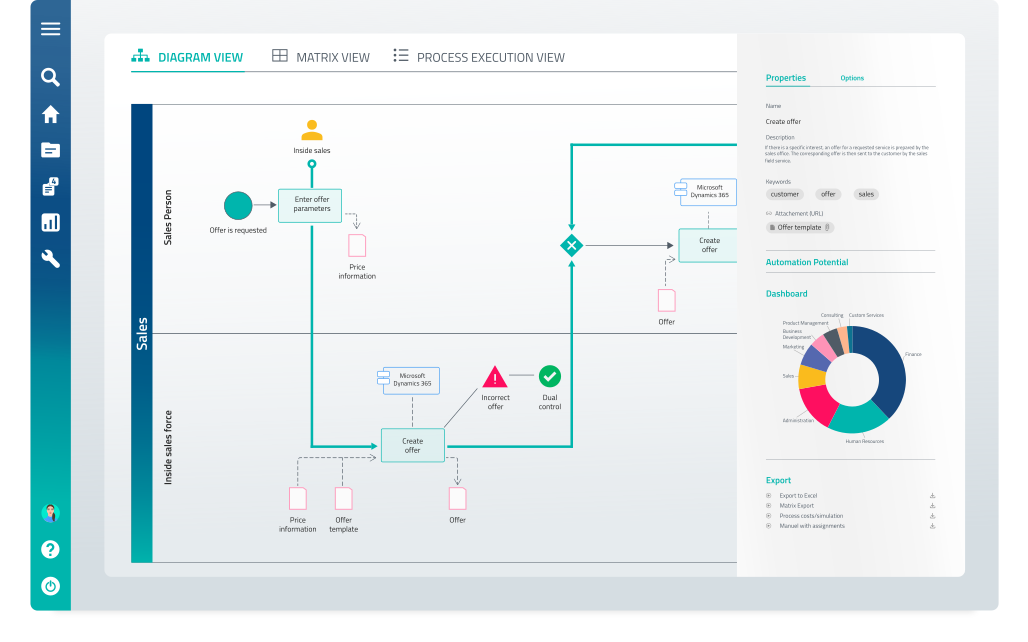
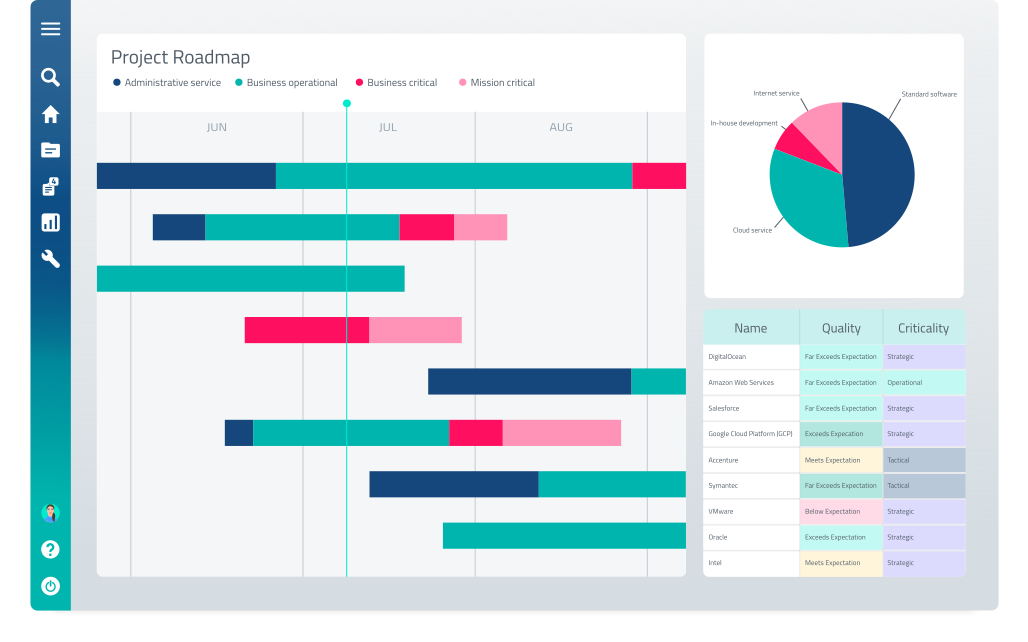
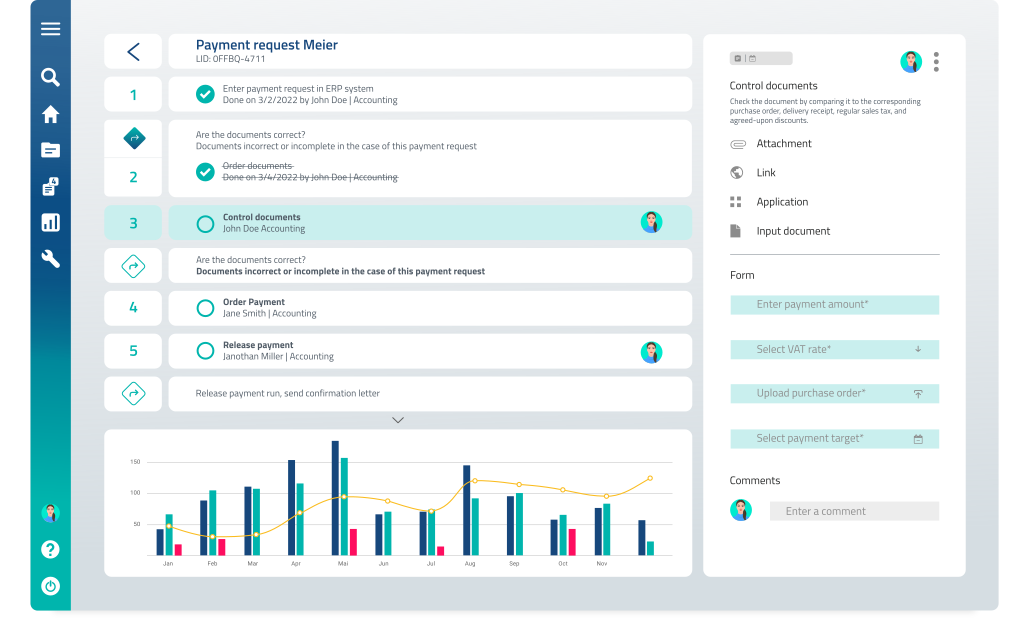
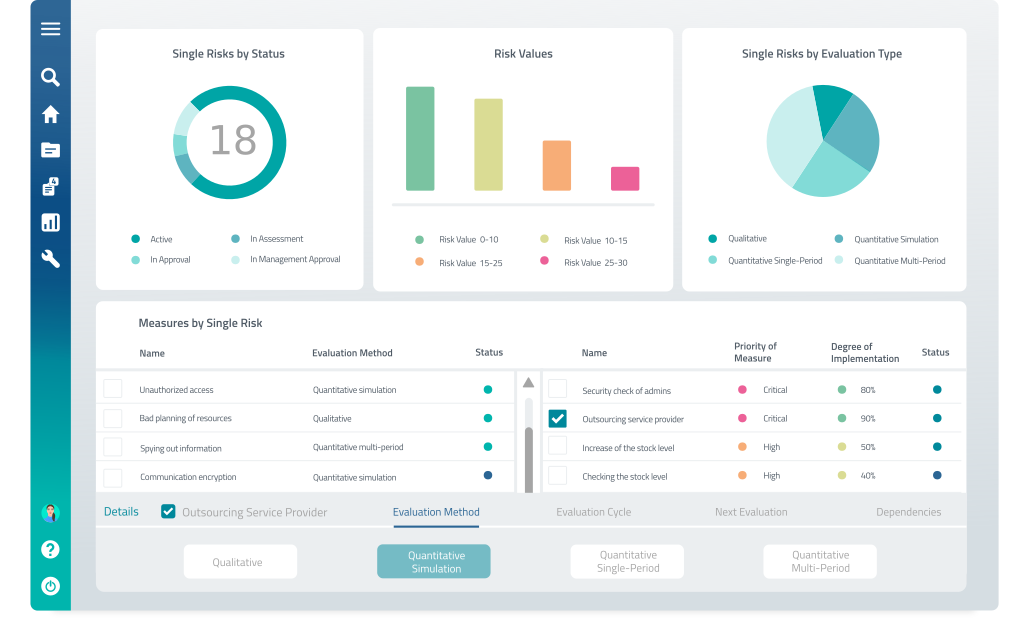
The integrated approach provided by GBTEC GRC Management helps organisations connect relevant information within a shared context. This makes dependencies more transparent, improves coordination between teams and functions, and helps organisations realise synergies when implementing regulatory requirements.
Shared structures have clear limits
Although organisations can draw on common processes and controls in some areas, differences between DORA and NIS2 may require separate approaches.
The DORA NIS2 incident reporting differences are particularly important. The two frameworks use different classification criteria, timelines, reporting channels, and information requirements. DORA’s technical standards specify how major ICT-related incidents must be classified and reported. Once an incident has been classified as major, the financial entity must submit an initial notification within four hours and no later than 24 hours after becoming aware of the incident.
NIS2 uses a different staged process. It requires an early warning within 24 hours of becoming aware of a significant incident, an incident notification within 72 hours, and a final report no later than one month after the incident notification. Reporting workflows must therefore be configured for the framework that applies rather than built around a single generic timeline.
Different requirements also apply to external service providers. Under NIS2, organisations must address cybersecurity risks arising from their relationships with direct suppliers and service providers. DORA regulates ICT third-party risk in considerably greater detail. Its requirements cover contractual provisions, concentration risk, exit strategies, and the Register of Information. ICT third-party providers designated as critical are also subject to direct European oversight.
Further differences concern resilience testing. DORA requires covered financial entities to maintain a risk-based digital operational resilience testing programme, with certain entities also subject to threat-led penetration testing. NIS2 calls for organisations to assess the effectiveness of their cybersecurity risk-management measures but does not establish an equivalent sector-specific testing regime.
The answer to the question “Which requirements are stricter, DORA or NIS2?” therefore depends on the subject. DORA contains more detailed sector-specific provisions in areas such as ICT third-party risk management and resilience testing. NIS2, however, may still impose separate national registration, governance, or sector-specific obligations.
How to structure DORA and NIS2 requirements together
An effective DORA vs NIS2 roadmap starts by determining which rules apply to each legal entity. Organisations can then compare the requirements systematically and decide which existing processes and controls can be reused and where separate procedures are necessary.
1. Determine the scope
Assess each legal entity and its activities to determine whether DORA or the relevant national NIS2 legislation applies. Consider exemptions, registration requirements, and whether DORA takes precedence as a sector-specific EU legal act in particular areas.
For a payment institution, for example, DORA will generally govern the areas covered by its sector-specific rules. However, the organisation must still examine whether national NIS2 provisions impose additional obligations, including registration requirements.
2. Create a DORA NIS2 compliance mapping
Group the requirements of both frameworks by topic and identify overlaps. A DORA NIS2 compliance mapping shows which existing processes can support both frameworks and which obligations require separate treatment.
The objective is not to merge both frameworks into a single undifferentiated control catalogue. Instead, each requirement should remain traceable to the applicable regulation, legal entity, process, control, owner, and item of evidence.
3. Assess existing structures
Review the extent to which existing structures for information security management, business continuity management, ICT risk management, incident response, and supplier management already cover relevant requirements.
A DORA compliance checklist or NIS2 minimum requirements list can support the initial assessment, but it cannot replace a substantive legal and operational evaluation.
4. Map shared controls clearly
Evaluate which DORA or NIS2 requirements are already supported by existing controls. Record the legal entity and regulatory framework for which each control is relevant.
A shared control may support both frameworks, but the evidence required, responsible authority, reporting threshold, or review frequency may still differ. Clear mapping prevents a common failure in which a single cybersecurity or ICT risk process is assumed to satisfy both regulations without demonstrating how it meets each requirement.
5. Define separate reporting paths
For each legal entity, define the applicable classification criteria, reporting deadlines, responsibilities, and reporting channels. This ensures that incidents are classified correctly and routed through the appropriate reporting procedure.
A shared incident response process can provide the operational foundation, but it must support the separate DORA and NIS2 reporting obligations, including their different initial and final report deadlines.
6. Keep the mapping up to date
New systems, service providers, business processes, corporate structures, or regulatory requirements can change which rules apply and how risks should be assessed.
Review and update the DORA NIS2 compliance mapping regularly. This makes it possible to determine whether existing processes and controls remain adequate or need to be amended.
Conclusion
DORA and NIS2 both strengthen the management of digital risk, but they apply to different organisations and pursue distinct regulatory priorities. Corporate groups, in particular, must assess each legal entity to determine which requirements apply and what obligations follow.
At the same time, there are points of overlap in areas such as risk management, incident handling, and third-party risk. By linking processes, risks, controls, service providers, responsibilities, and evidence, organisations can reuse information, trace changes more easily, and understand their impact more quickly.
This integrated approach creates clarity around accountability and required action. It allows organisations to assign obligations accurately, avoid duplication, and make effective use of synergies. The applicable requirements can then be met efficiently without obscuring the important differences between DORA and NIS2.
Implement DORA reliably with GBTEC
GBTEC’s new DORA solution helps you structure the implementation of regulatory requirements and document compliance in a transparent and traceable way.
Join the waiting list with no obligation and receive updates on the solution’s development, along with a concise overview of the DORA requirements.
Frequently asked questions
What is the most important difference between DORA and NIS2?
DORA is a sector-specific EU regulation governing digital operational resilience in the financial sector. It contains detailed requirements for ICT risk management, incident reporting, resilience testing, and ICT third-party risk.
NIS2 is a cross-sector directive designed to establish a high common level of cybersecurity across the EU. It covers particularly important and important entities in a wide range of sectors and is implemented through national legislation.
Does DORA replace NIS2 for banks?
The corresponding NIS2 provisions do not apply where DORA imposes sector-specific requirements that are at least equivalent in effect. For financial entities covered by DORA, this applies in particular to ICT risk management, major ICT-related incident reporting, and the associated supervision and enforcement provisions.
However, DORA does not automatically replace every obligation arising from NIS2 or national implementing legislation. Banks must therefore assess whether additional national requirements still apply.
Do banks still need to register under NIS2 if DORA applies to them?
Potentially, yes. The sector-specific exemption under Article 4 of NIS2 does not necessarily remove registration obligations.
In Germany, financial entities that qualify as particularly important or important entities under Section 28 of the BSI Act must register with the BSI under Section 33. The registration must generally be completed no later than three months after the organisation first falls within either category.
How do DORA and NIS2 incident reporting deadlines differ?
Under DORA, a financial entity must generally submit an initial notification within four hours after classifying an ICT-related incident as major, and in any event no later than 24 hours after becoming aware of the incident.
Under NIS2, a significant incident generally triggers an early warning within 24 hours, an incident notification within 72 hours, and a final report within one month. Organisations should therefore maintain regulation-specific classification rules and reporting workflows even if both are supported by the same operational incident response process.
What happens if a financial group has both DORA-regulated and NIS2-regulated entities?
The group should assess the regulatory scope entity by entity rather than apply a single classification to the entire organisation. A bank or payment institution may be subject to DORA, while a technology, manufacturing, or service subsidiary in the same group may fall under national NIS2 legislation.
Shared governance, risk, incident-management, and business continuity processes may support both frameworks. However, the group must retain clear mappings to the applicable legal entity, regulation, control, reporting deadline, competent authority, and required evidence.
Which EU regulation applies to my payment institution, DORA or NIS2?
Payment institutions are among the financial entities covered by DORA. In the areas for which DORA provides equivalent sector-specific requirements, DORA takes precedence over the corresponding NIS2 provisions.
This does not remove the need to assess national NIS2 legislation. Depending on the institution’s activities, corporate structure, and national classification, additional requirements such as registration obligations may remain relevant.
About the expert

Gert Poglin
Head of Sales GRC
LinkedIn
As Head of Sales GRC, Gert Poglin is responsible for expanding and strategically developing GBTEC’s GRC business. With over ten years of experience in B2B SaaS sales and in leading sales organisations, he has strong expertise in managing complex enterprise sales cycles and building sustainable customer relationships in regulated markets.
His focus is on developing scalable sales strategies, leading high-performing teams, and closely aligning Sales, Consulting, and Customer Success. He supports customers from strategic positioning through to the conclusion of complex GRC deals, translating functional requirements into clear business value.
GBTEC Software AG
Gesundheitscampus-Süd 23
44801 Bochum
Germany
