




Your transformation needs more than a process map. It needs a blueprint.
 20 October 2026
Process readiness depends on understanding how work operates. Operational visibility requires a trusted view across teams, systems, and locations. The next question is how to create and maintain that view in a form the organisation can use.
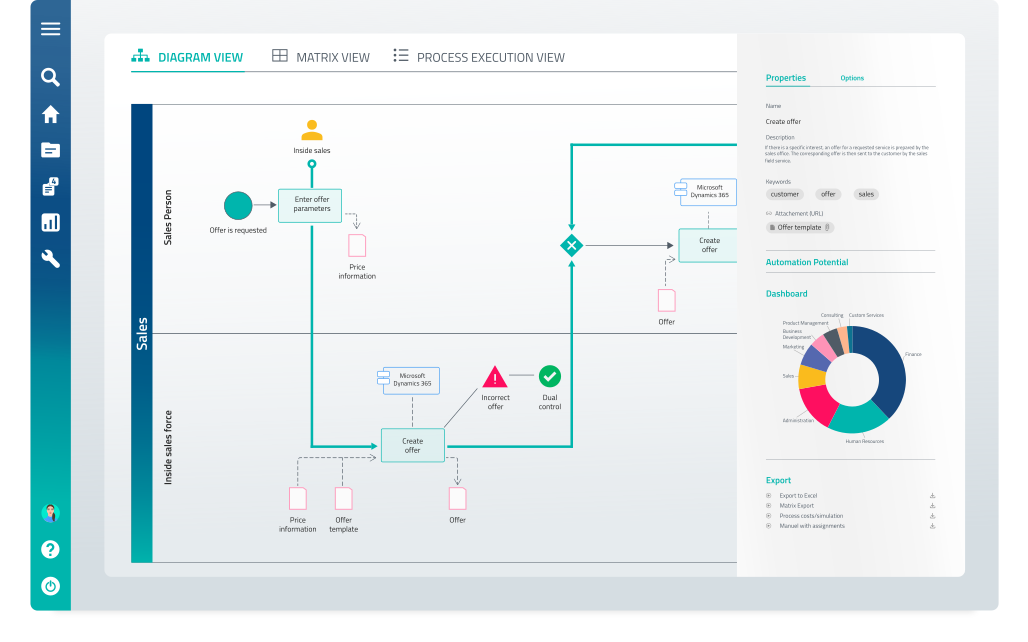
The answer begins with a process blueprint: a structured, connected view of how an organisation operates. It shows how processes, roles, systems, information, controls, and dependencies relate to one another and provides a shared foundation for process improvement, transformation, automation, and AI-supported use cases.
An isolated process diagram captures only part of this context. A business process blueprint places individual processes within a wider process architecture, helping business and IT work from the same operational context while retaining their distinct responsibilities.
Why process documentation is not enough
Process documentation remains important. It records how work is intended to happen, supports training, and provides a reference for governance and improvement. Its value is limited, however, when models are treated as static artefacts rather than maintained parts of a connected operating model.
A process diagram may show activities and sequence without explaining which applications support them, who is accountable, which controls apply, or how the process connects to upstream and downstream work. When this context is held elsewhere, transformation teams must reconstruct it whenever a change is proposed.
A process blueprint connects individual processes to the wider architecture, ownership, systems, controls, variants, and dependencies that shape execution. It turns a collection of diagrams into a shared organisational reference for decisions and change.
What a reliable process blueprint include
A useful blueprint does not need to contain every possible detail. It needs enough structure and context to support the decisions the organisation expects to make. Six elements are particularly important:
Process architecture. A clear hierarchy shows how end-to-end processes, subprocesses, and activities relate to one another and to organisational outcomes.
Roles and ownership. The blueprint identifies who performs, owns, reviews, and approves each process, including responsibilities at critical handovers.
Systems and information. Processes are connected to the applications, interfaces, and information on which they depend, giving business and IT a shared view of operational dependencies.
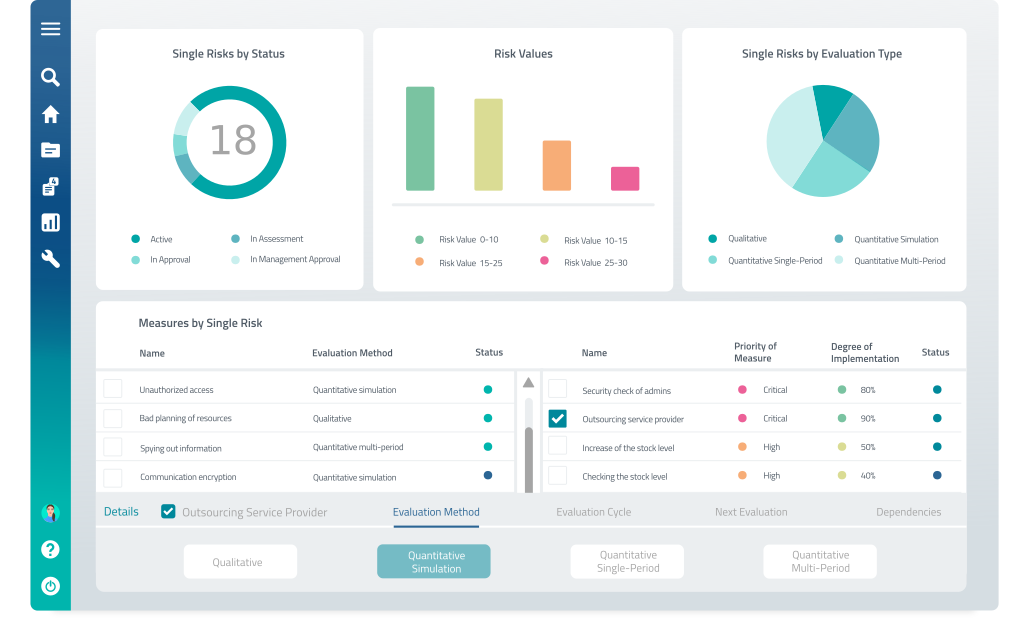
Controls and requirements. Relevant risks, controls, policies, and regulatory requirements are linked to the process steps they affect instead of being maintained without process context.
Variants and dependencies. Necessary differences across products, locations, or business units are explicit, and teams can trace how a change in one area may affect another.
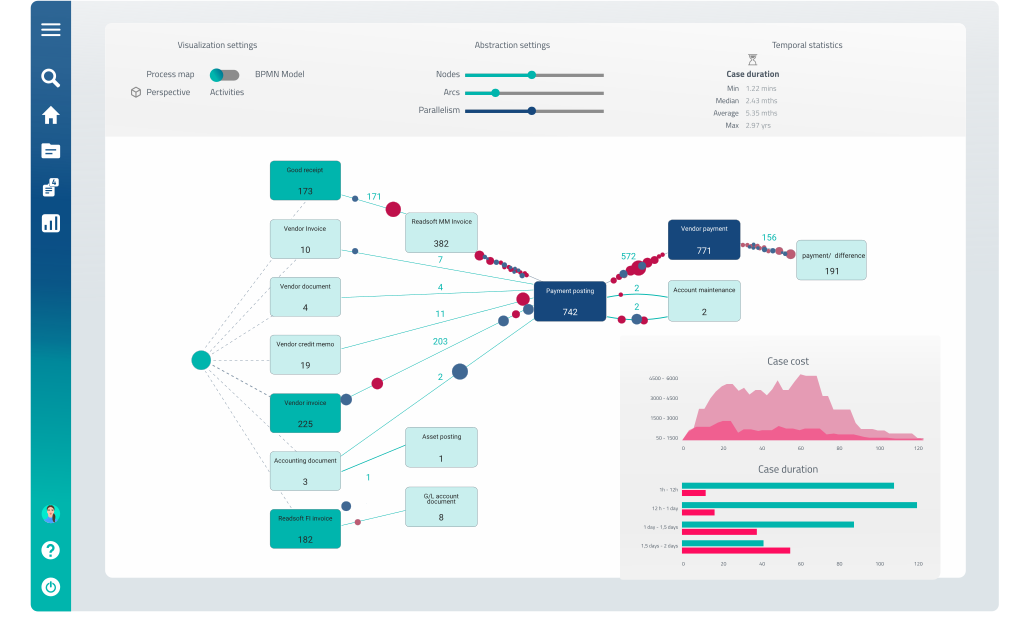
Operational evidence. Employee input, system data, and process mining can help test whether the documented process reflects actual execution and where the model may need to be updated.
Together, these elements provide a more complete representation of the operating model. They also make process knowledge easier to compare, govern, reuse, and update as the organisation changes.
How a process blueprint supports transformation
Transformation programmes need a shared understanding of both the current state and the intended future state. Without one, business and IT may enter the same programme with different views of scope, dependencies, and priorities.
Business teams may focus on activities, decisions, customer outcomes, and responsibilities. IT teams may focus on applications, data flows, interfaces, and technical constraints. A connected process architecture relates these perspectives without collapsing them into a single discipline. This helps teams assess which systems support a process, where controls apply, and what a proposed change may affect.
The blueprint can also reduce repeated current-state discovery. Instead of rebuilding the same context through interviews and workshops for every project, teams can start from an established view, validate what has changed, and focus on the parts of the operating model relevant to the transformation.
Why automation and AI need a shared operational foundation
Automation and AI depend on more than a sequence of activities. Teams need to understand the inputs, decisions, roles, exceptions, controls, and systems that shape a process in practice. If this context is fragmented or unclear, a use case may work in one environment but require substantial redesign elsewhere.
A process blueprint supports automation by making requirements and variants explicit. Where technical execution is intended, it should provide sufficient structured detail to translate process requirements into workflows without avoidable interpretation or rework.
For AI-supported use cases, the blueprint provides operational context. It helps teams assess what information a model requires, where human review is needed, and which decisions or controls must remain subject to clear accountability. A blueprint does not make every process suitable for automation or AI, but it provides a more reliable basis for selecting, designing, and governing use cases.
From process design to execution
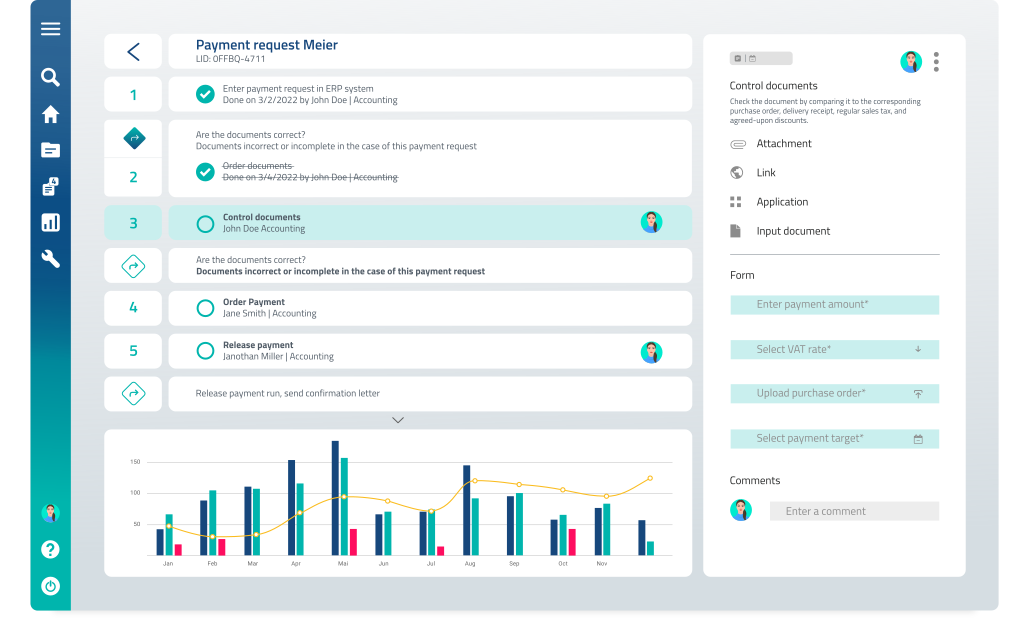
The process design defines how work should operate. Execution capabilities orchestrate how tasks, decisions, people, systems, and AI services interact in practice. Keeping these perspectives connected can reduce handover effort and help maintain alignment between the designed process and the workflow being executed.
A process repository plays an important role in this connection. It should do more than store diagrams. A reliable repository maintains relationships between models, supports ownership and review, applies modelling and governance standards, and makes relevant process knowledge accessible to the people who need it.
When execution data or other operational evidence reveals a deviation, that information can inform the next design decision. The blueprint remains useful because it evolves with the organisation rather than serving only as a record of a completed project.
How to build a process blueprint
Building a process blueprint does not require modelling the entire organisation at once. Start with one critical end-to-end process, then expand through a consistent process architecture and governance approach.
A practical sequence is:
Choose a business-critical process. Start with a process linked to a transformation, automation, compliance, or customer objective.
Define the scope and outcome. Agree on where the process begins and ends, what it is expected to achieve, and which teams and locations are involved.
Capture the operational context. Document activities, handovers, roles, systems, information, controls, exceptions, and relevant operational evidence.
Identify variants and dependencies. Make deliberate differences visible and trace how the process connects to other processes and capabilities.
Apply shared standards. Use consistent modelling conventions, terminology, approval rules, and governance responsibilities.
Validate the blueprint. Review the blueprint with the people who perform, own, govern, and support the process, and compare it with operational evidence where available.
Assign ownership and maintenance. Define who keeps the blueprint current and which events should trigger a review or update.
Extend the architecture gradually. Connect additional processes using the same standards so that the organisational blueprint becomes more complete over time.
This approach supports process standardisation without assuming that every process must be identical. It creates a common structure while keeping necessary variants visible and governed.
How GBTEC supports the process blueprint
GBTEC Process Design provides a central environment for modelling, organising, and governing process knowledge, helping organisations establish a transparent and standardised process landscape across departments and locations. It supports shared understanding through process modelling, common standards, ownership, review, and a central repository connected to the roles and systems involved in execution.
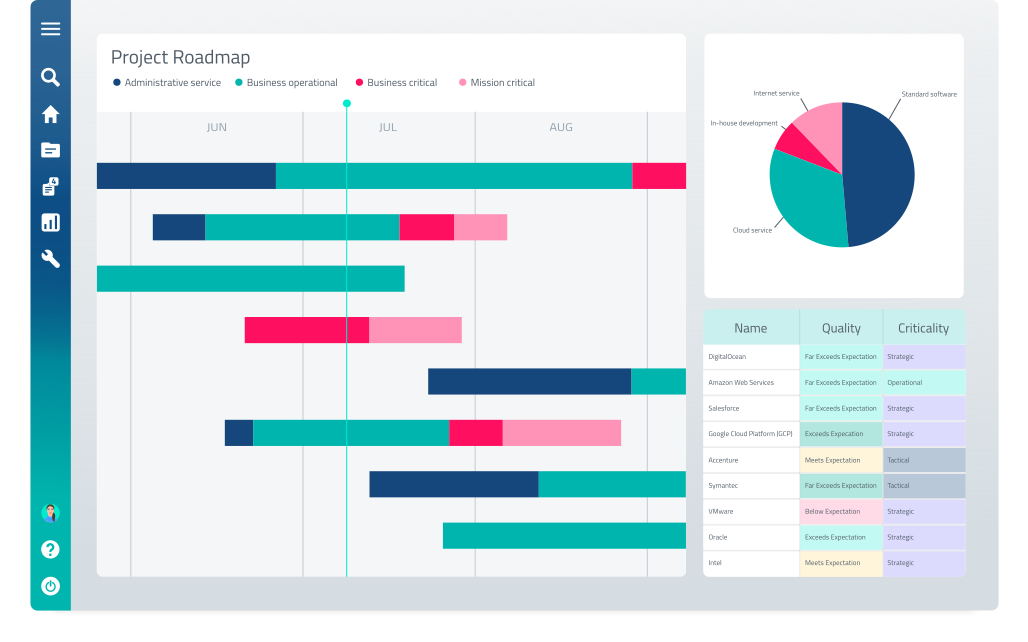
Within the wider GBTEC Platform, process knowledge can be connected with enterprise architecture information and complemented by governance, risk, and compliance as well as process intelligence capabilities. This can provide additional context for understanding how processes relate to applications, controls, and operational evidence.
Where process execution is required, GBTEC Work Orchestrator supports the transition from design to execution by orchestrating and automating workflows that connect people, systems, and AI-supported tasks. Human decisions, validation, and accountability remain necessary throughout.
Start with one process
A process blueprint creates value through use, not through completeness alone. Start with a process that matters, connect the context needed to improve or transform it, and establish the standards and ownership required to keep that knowledge current.
Each additional process can extend the shared architecture. Over time, the organisation gains a clearer view of how work, systems, responsibilities, controls, and evidence fit together. This provides a stronger foundation for operational improvement, transformation, automation, and AI-supported change.
How ready is your process foundation for AI?
Take the 5-minute Digital Maturity Assessment to evaluate your organisation across transparency and visibility, standardisation and consistency, centralisation and a single source of truth, governance and compliance, and automation and AI readiness.
Receive a personalised maturity level, a breakdown by dimension, and recommended next steps based on the areas that need the most attention.
Frequently asked questions
What is a process blueprint?
A process blueprint is a structured, connected view of how an organisation operates. It relates processes to roles, systems, information, controls, variants, and dependencies, providing a shared foundation for improvement, transformation, automation, and AI-supported use cases.
What is the difference between process documentation and a process blueprint?
Process documentation records how work is intended to happen. A process blueprint adds the wider operational context by connecting individual processes to process architecture, ownership, systems, controls, and dependencies. It supports decisions and change as well as reference and training purposes.
What should a process blueprint include?
A useful blueprint should include the process architecture, roles and ownership, supporting systems and information, relevant controls and requirements, process variants and dependencies, and evidence that helps validate the documented view against operational reality.
How do organisations build a process blueprint?
Start with one critical end-to-end process, define its scope and outcome, capture the relevant operational context, identify variants and dependencies, apply shared modelling and governance standards, validate the result, and assign responsibility for keeping it current.
How does a process blueprint support automation and AI?
A process blueprint makes inputs, decisions, roles, exceptions, controls, and system dependencies more explicit. This helps teams assess which activities may be suitable for automation, what context an AI-supported use case requires, where human review remains necessary, and whether a solution can extend beyond its initial environment.
GBTEC Software AG
Gesundheitscampus-Süd 23
44801 Bochum
Germany
